Pulse IoT
Engineering Team
Corrosion is a massive, often underestimated drain on the U.S. economy—costing an estimated $276 billion annually, or more than 3% of GDP, according to the U.S. Federal Highway Administration and NACE International. A large portion of this impact falls squarely on critical infrastructure. Highways, bridges, and utility systems alone account for over $22 billion in direct corrosion-related costs every year. Highway bridges are especially vulnerable: roughly 15% are classified as structurally deficient, largely due to corroded steel or reinforcing materials. Gas and liquid transmission pipelines face similar challenges, with corrosion driving most of the $7 billion spent annually on maintenance and monitoring. Aging HAZMAT storage tanks and deteriorating water and sewer networks add billions more to the national corrosion bill.
What makes these numbers even more striking is that a significant share of the damage is avoidable. The FHWA/NACE study concluded that up to 30% of corrosion costs could be saved through improved corrosion management. This insight reframes corrosion from being just a maintenance headache to a data and planning challenge. The key is not only in repairing what’s already damaged, but in predicting and preventing that damage before it occurs.
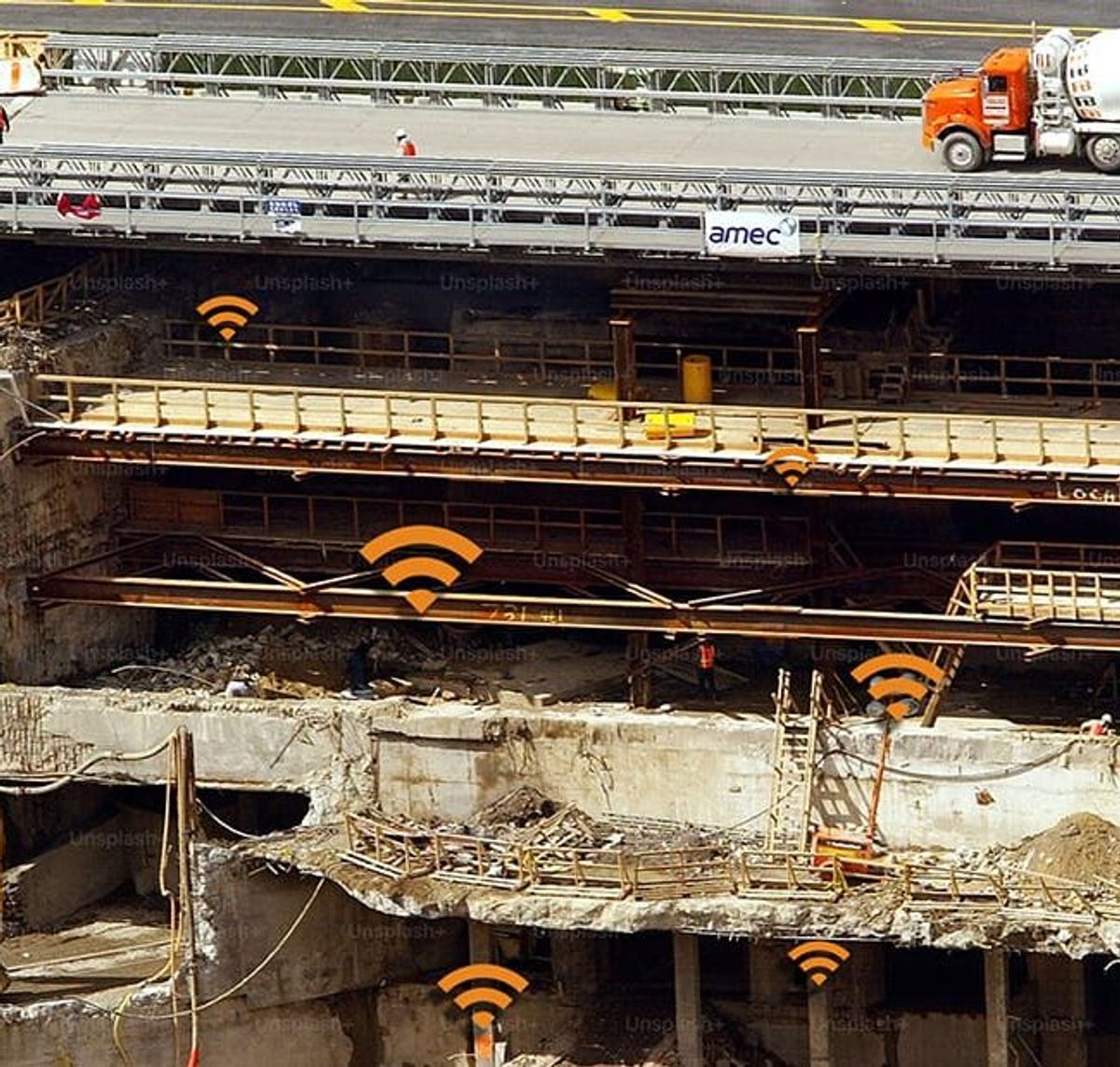
At Pulse IoT Technologies, we’re helping infrastructure owners make this shift from reactive fixes to proactive intelligence. Our embedded sensor systems are engineered to detect the earliest signs of corrosion—long before they become visible or structurally significant. Whether installed during new construction or retrofitted into existing assets, our sensors continuously monitor environmental and electrochemical conditions inside the structure itself. This real-time data stream gives asset owners and engineers a powerful foundation for predictive maintenance.
Instead of relying on periodic inspections and after-the-fact repairs, infrastructure managers can use Pulse’s data to understand exactly when and where intervention is needed. That means more targeted maintenance, fewer unexpected failures, and better allocation of limited budgets. Over the life of an asset, this data-driven approach can significantly reduce lifecycle costs, extend service life, and enhance safety and reliability across entire networks of bridges, pipelines, tanks, and utility systems.
Corrosion will never be eliminated—it’s a fundamental material and environmental reality. But its impact can be dramatically reduced with the right tools and strategies. At Pulse, we believe the future of corrosion management lies in insight, not just intervention. When you can see what’s happening inside your infrastructure in real time, you can protect it better, longer, and smarter.
This blog draws on findings from the comprehensive study "Corrosion Costs and Preventive Strategies in the United States," published by the U.S. Federal Highway Administration and NACE International. The full report is available as FHWA-RD-01-156.