Pulse IoT
Engineering Team
Predictive vs. Reactive Maintenance for Corrosion in Concrete Structures: Leveraging Pulse IoT Technologies and AI
Maintaining the integrity of concrete structures in high-corrosive environments is a persistent challenge. In regions such as the UAE and other coastal or industrial geographies, harsh environmental conditions accelerate corrosion, shorten asset lifespans, and increase lifecycle costs.
Historically, asset owners have relied on reactive or planned maintenance strategies. Today, however, advances in IoT sensing and AI-driven analytics make predictive maintenance not only viable, but clearly superior—especially for corrosion management in concrete infrastructure.
Reactive Maintenance: The Problem
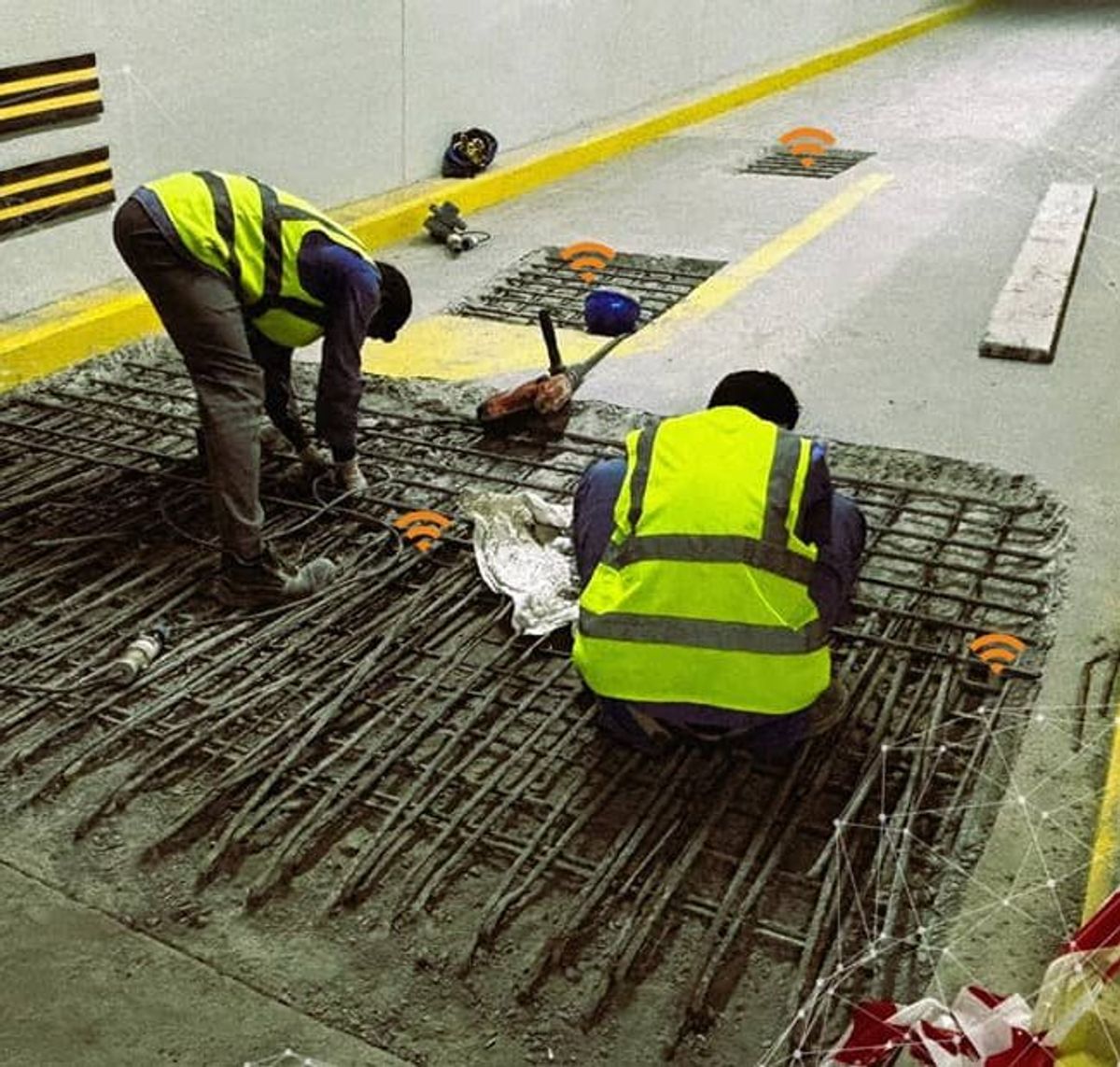
Reactive maintenance focuses on fixing issues after they become visible or critical. In the context of corrosion in concrete structures, this often means waiting until cracking, spalling, or exposed reinforcement is already evident.
This approach leads to several issues:
- Unplanned Downtime
Emergency repairs disrupt operations, shut down critical assets, and create scheduling chaos.
- Higher Costs
Late-stage corrosion damage typically requires extensive repairs, specialist interventions, and sometimes partial reconstruction—far more expensive than early, targeted actions.
- Structural Risk
By the time corrosion is visible on the surface, significant internal damage may already have occurred, compromising structural integrity and safety.
In corrosive environments, reactive maintenance effectively means accepting damage as inevitable and paying a premium to fix it.
Planned Maintenance: A Step Forward, But Not Enough
Planned (or preventive) maintenance improves on the reactive model by introducing scheduled inspections and interventions. Structures are inspected at fixed intervals, and maintenance is carried out according to a predefined plan.
While more proactive, this approach has clear limitations:
- Potential Over-Maintenance
Maintenance is performed based on the calendar, not the actual condition of the structure. This can lead to unnecessary inspections, testing, and repairs—wasting time and resources.
- Lack of Precision
Two structures exposed to different microclimates or loading conditions may deteriorate at very different rates, yet receive the same maintenance schedule. This mismatch creates inefficiencies and can still miss early-stage corrosion.
Planned maintenance is a step in the right direction, but it does not fully leverage the real-time condition data now available through modern sensing technologies.
Predictive Maintenance: The Superior Solution
Predictive maintenance uses continuous monitoring and data analytics to determine when maintenance is actually needed, based on the real condition of the structure.
By combining IoT sensors with AI-driven predictive models, asset owners can:
- Proactively Solve Problems
Detect early signs of corrosion, moisture ingress, or chloride penetration before they become visible or critical, reducing unplanned downtime and extending asset life.
- Improve Cost Efficiency
Intervene at the optimal time—neither too early nor too late—so repairs are smaller, more targeted, and less disruptive.
- Make Data-Driven Decisions
Replace guesswork and fixed schedules with quantitative insights on corrosion rates, environmental exposure, and structural response.
In high-corrosive environments, predictive maintenance transforms corrosion management from a reactive cost center into a strategic, data-led process.
Pulse IoT Technologies Solutions
Pulse IoT Technologies provides an integrated platform for structural health monitoring and predictive maintenance tailored to concrete structures in harsh environments.
Real-Time Monitoring
Our embedded and surface-mounted IoT sensors continuously capture key parameters affecting corrosion and durability, such as:
- Concrete temperature and humidity
- Chloride ingress indicators (where applicable)
- Corrosion-related electrochemical signals (depending on sensor configuration)
- Environmental conditions around the structure
This real-time data enables continuous visibility into structural health, far beyond what periodic inspections can provide.
Predictive Analytics with AI
Using AI and advanced analytics, Pulse IoT Technologies processes sensor data to:
- Detect anomalies and early-stage deviations from expected behaviour
- Identify trends that indicate accelerating corrosion or moisture ingress
- Estimate remaining useful life for critical components
- Trigger alerts when thresholds or patterns associated with risk are detected
This allows maintenance teams to act before minor deviations become major failures.
Remote Monitoring via the Cloud
Our cloud-based platform centralises data from distributed assets, enabling:
- Remote access to structural health dashboards
- Consolidated views across multiple sites and structures
- Role-based access for engineers, asset managers, and decision-makers
This is particularly valuable for geographically dispersed infrastructure, such as bridges, marine structures, industrial facilities, and high-rise buildings in corrosive coastal zones.
Technical Support and Expertise
Pulse IoT Technologies backs its platform with specialist technical support, helping clients to:
- Select appropriate sensors and deployment strategies
- Interpret structural health and corrosion-related data
- Integrate predictive maintenance insights into existing asset management workflows
Our team works closely with owners, consultants, and contractors to ensure that monitoring systems deliver actionable insights, not just raw data.
Why Early Anomaly Detection Matters in Corrosive Environments
In high-corrosive environments, the window between initial corrosion onset and visible damage can be relatively short. Early detection is therefore critical.
Successful predictive maintenance focuses on:
- Detecting anomalies early
Identifying subtle deviations in sensor readings that signal the beginning of corrosion or moisture-related deterioration.
- Automating the response
Triggering alerts, work orders, or inspection tasks automatically when defined thresholds or patterns are detected.
- Prioritising interventions
Using risk-based criteria to decide where and when to intervene first, optimising budgets and resources.
By embedding this logic into the Pulse IoT Technologies platform, asset owners can move from reactive firefighting to continuous, intelligent risk management.
Conclusion
Transitioning from reactive and planned maintenance to predictive maintenance represents a major advancement in managing corrosion in concrete structures—especially in harsh, high-corrosive environments such as the UAE and similar regions.
By leveraging IoT sensors and AI-driven analytics, Pulse IoT Technologies enables:
- Reduced unplanned downtime
- Lower lifecycle maintenance costs
- Extended structural service life
- Enhanced safety and resilience
Embracing predictive maintenance is not just a technological upgrade; it is a strategic shift toward long-term sustainability and reliability of critical infrastructure, in the UAE and beyond.